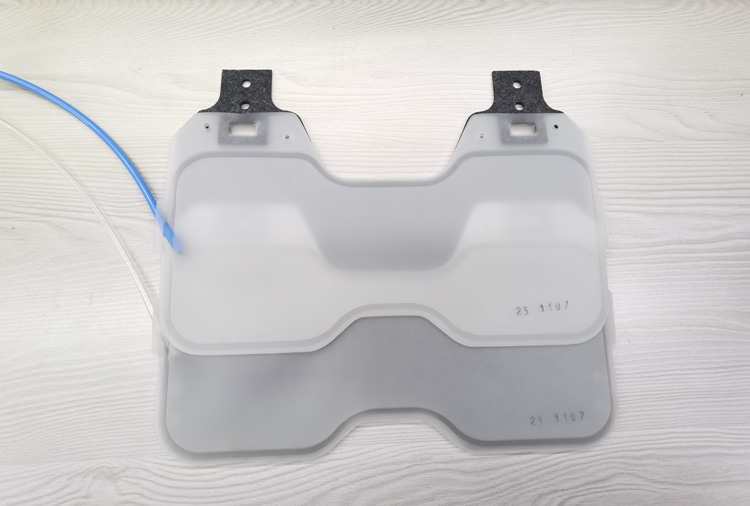
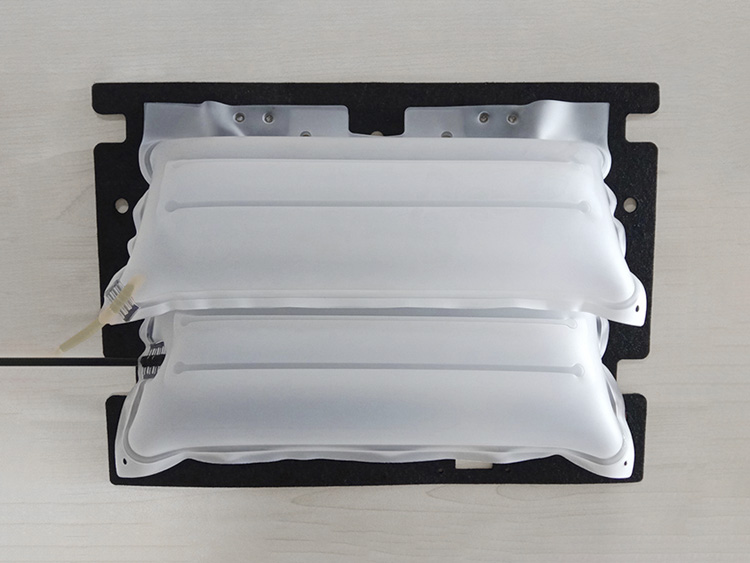
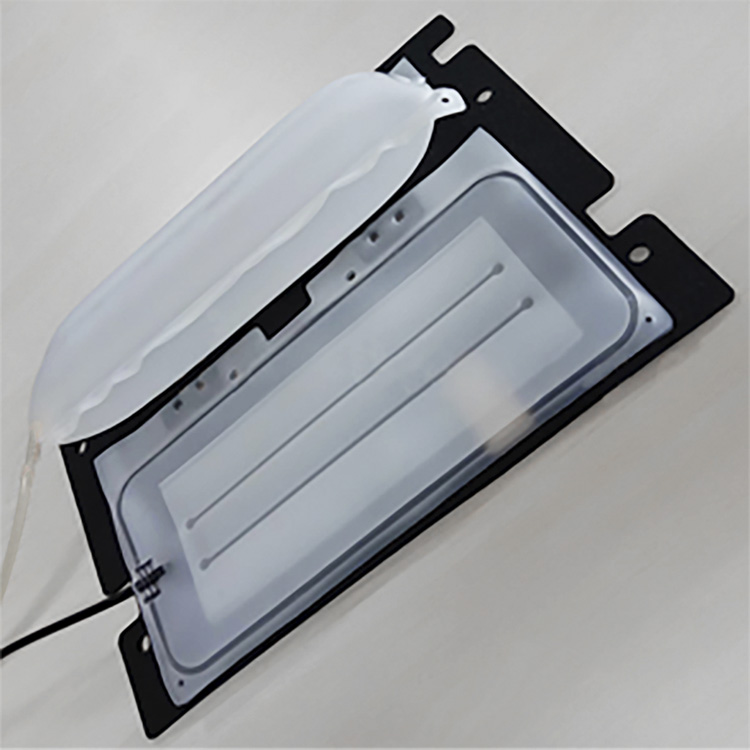
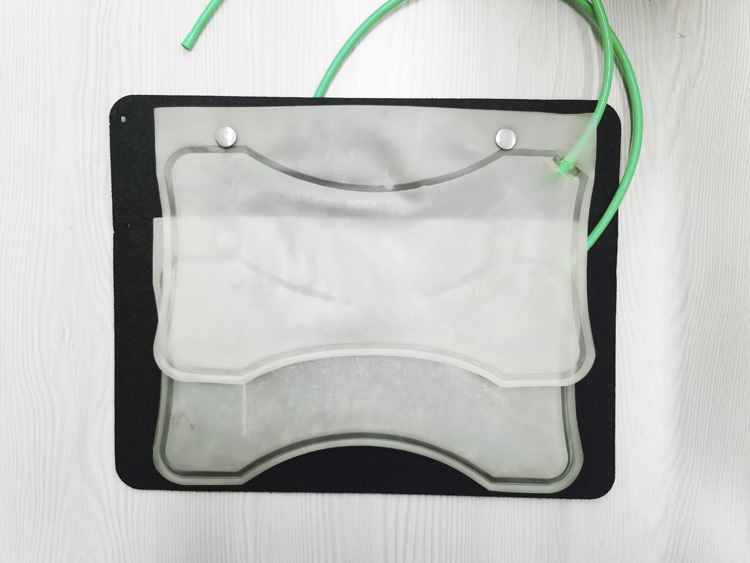
For cooperation and more details, feel free to email us or call directly for consultation.
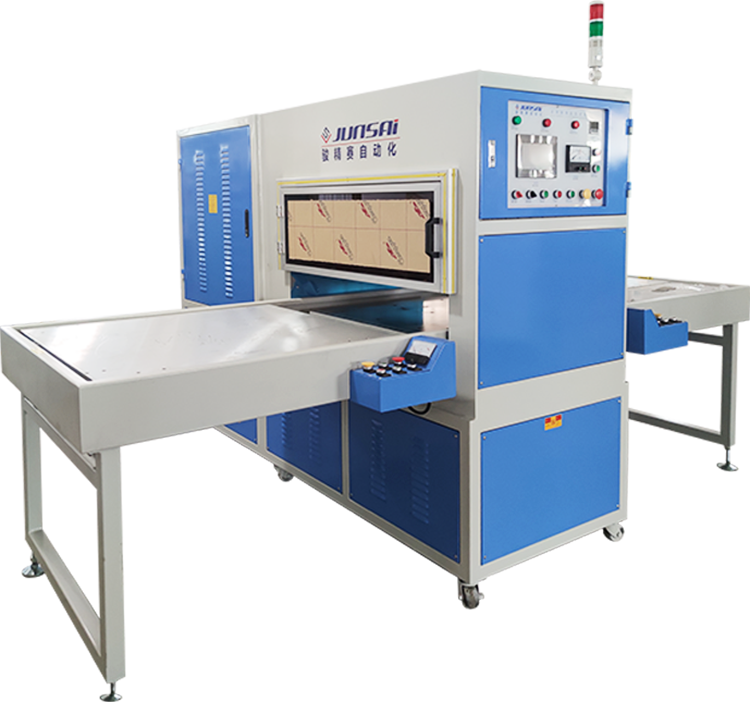
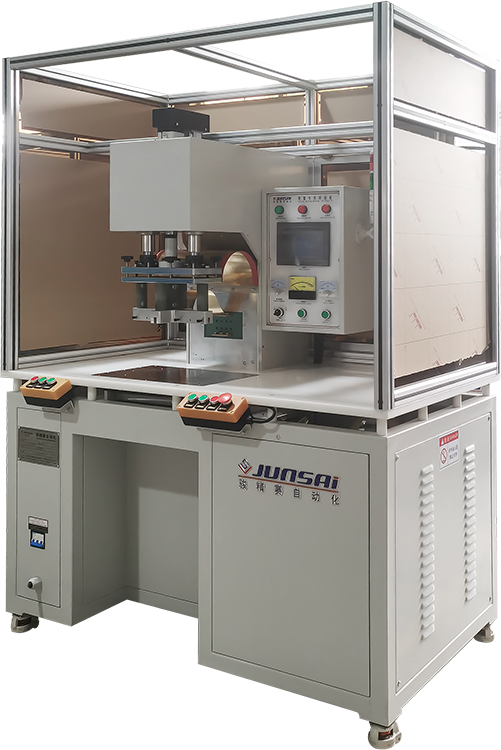
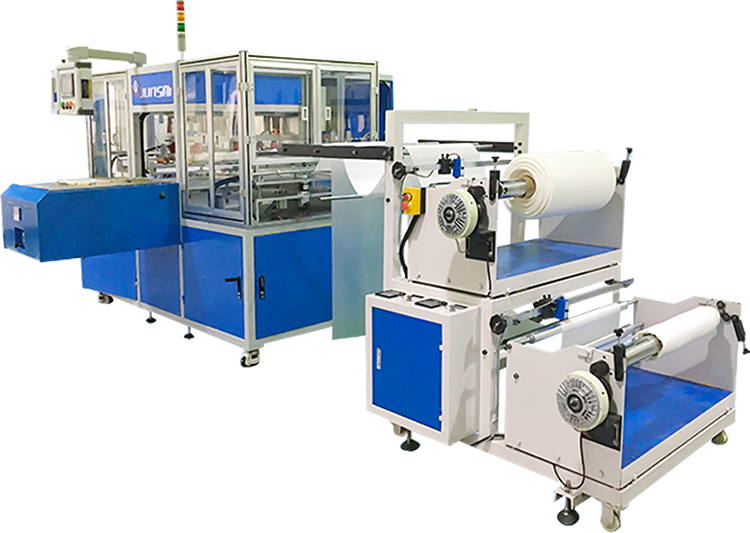
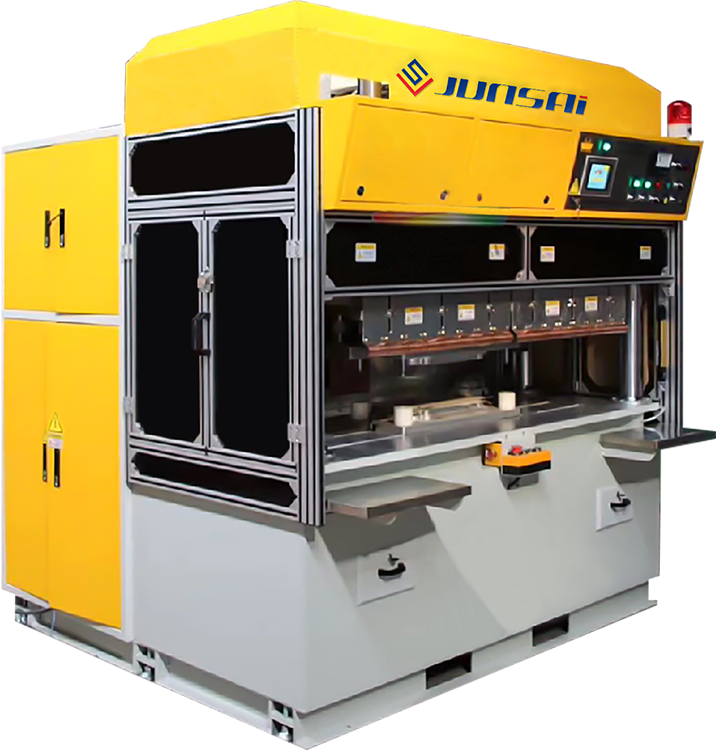
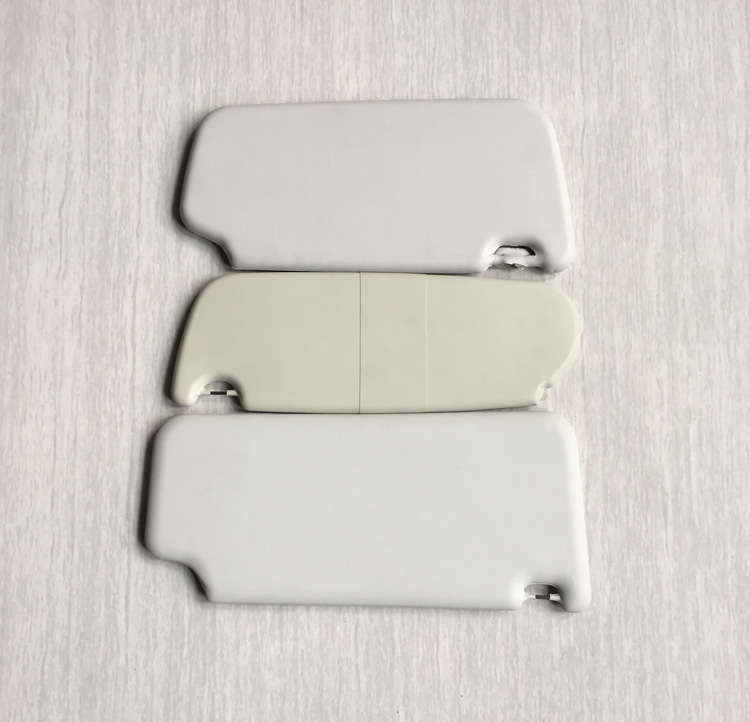
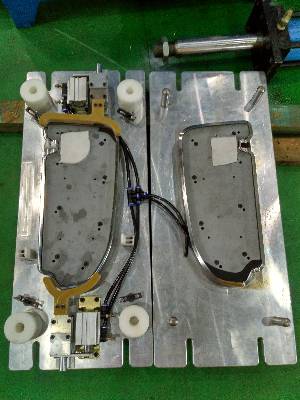
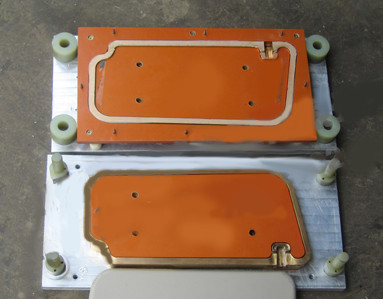
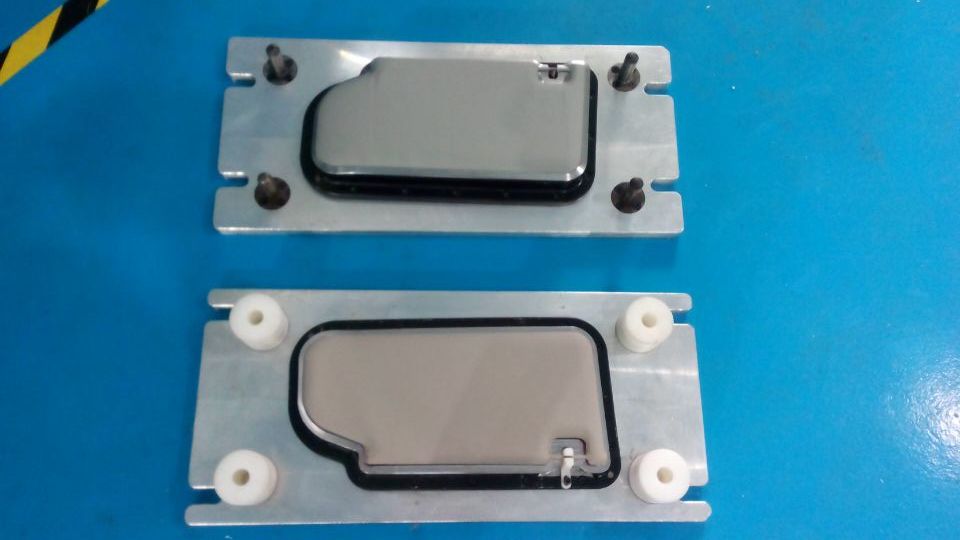
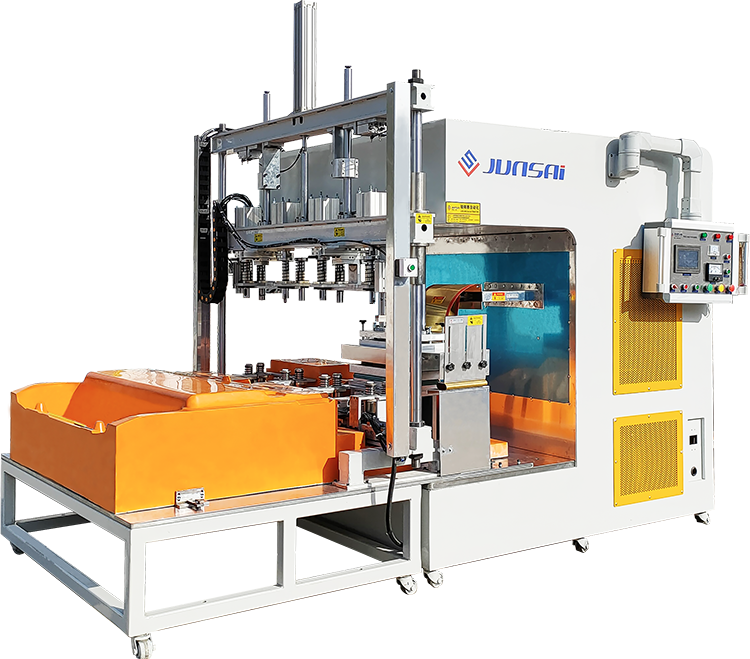
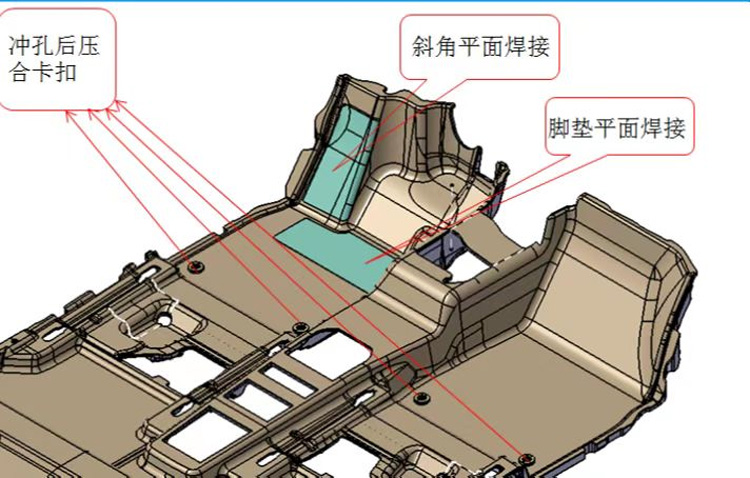
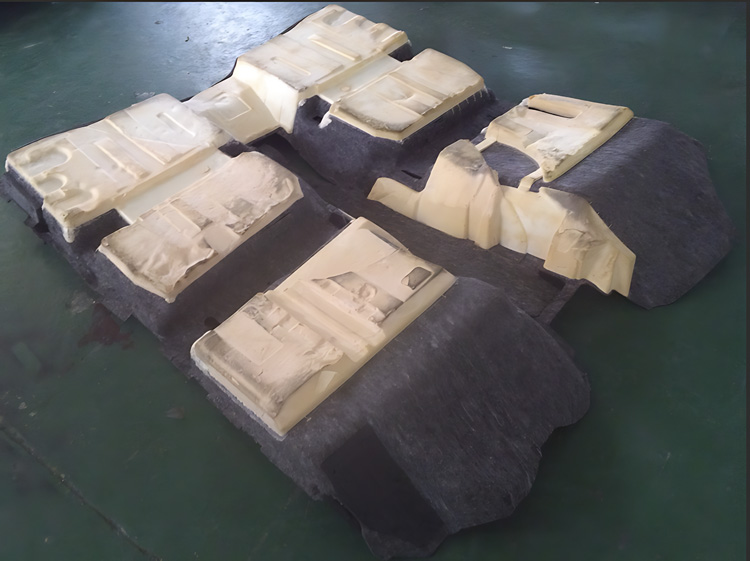
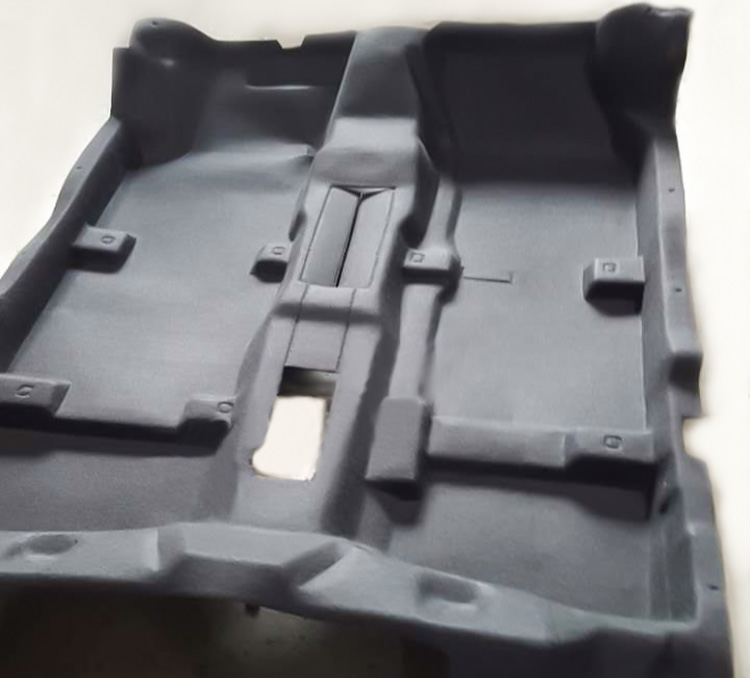
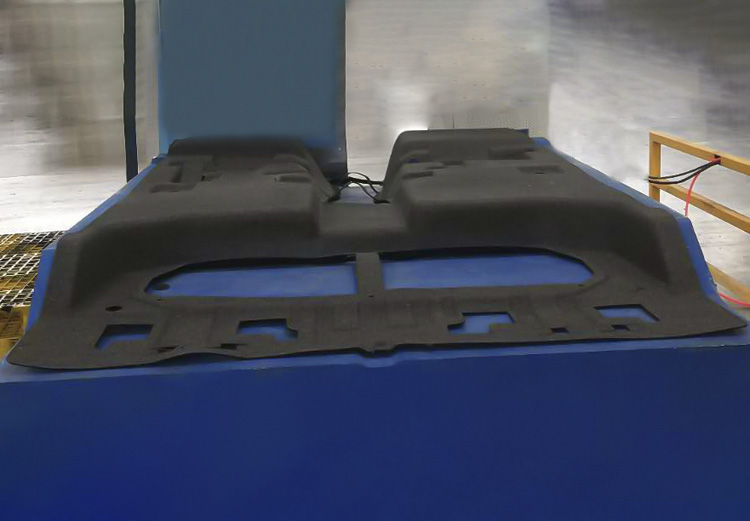
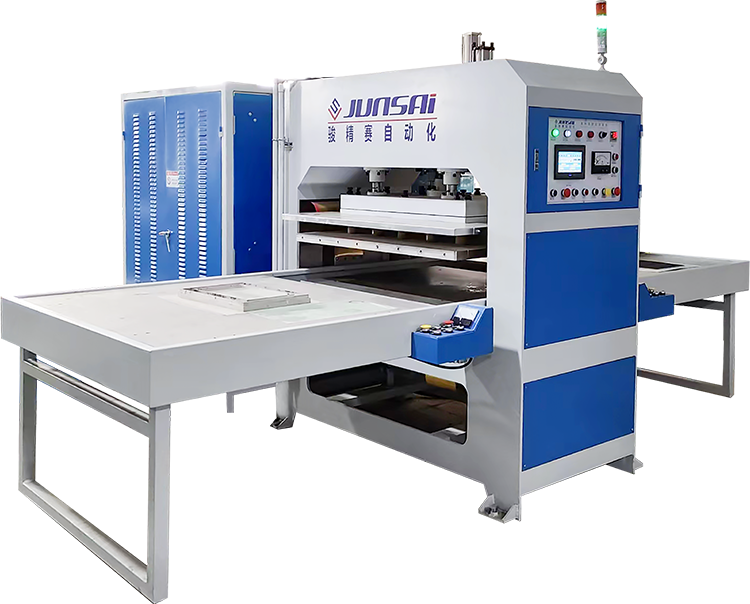
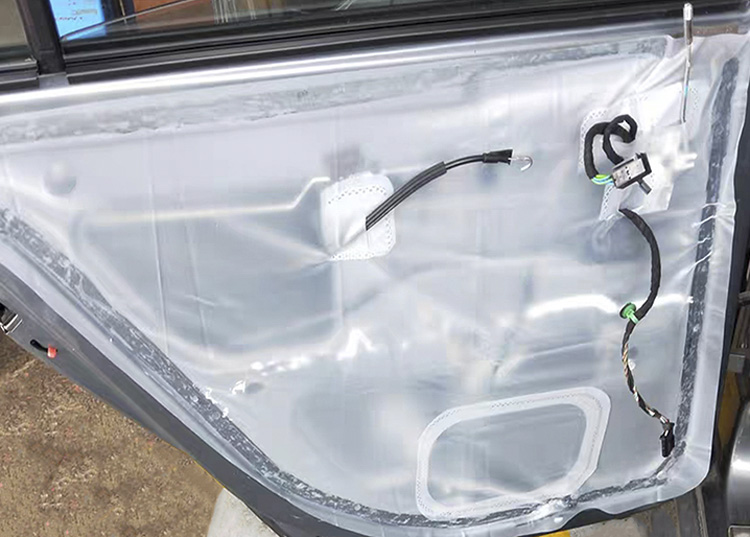
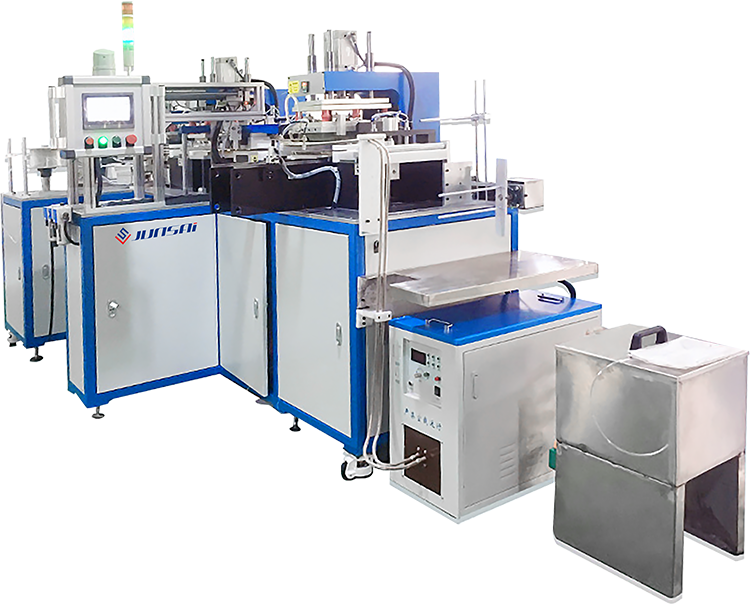
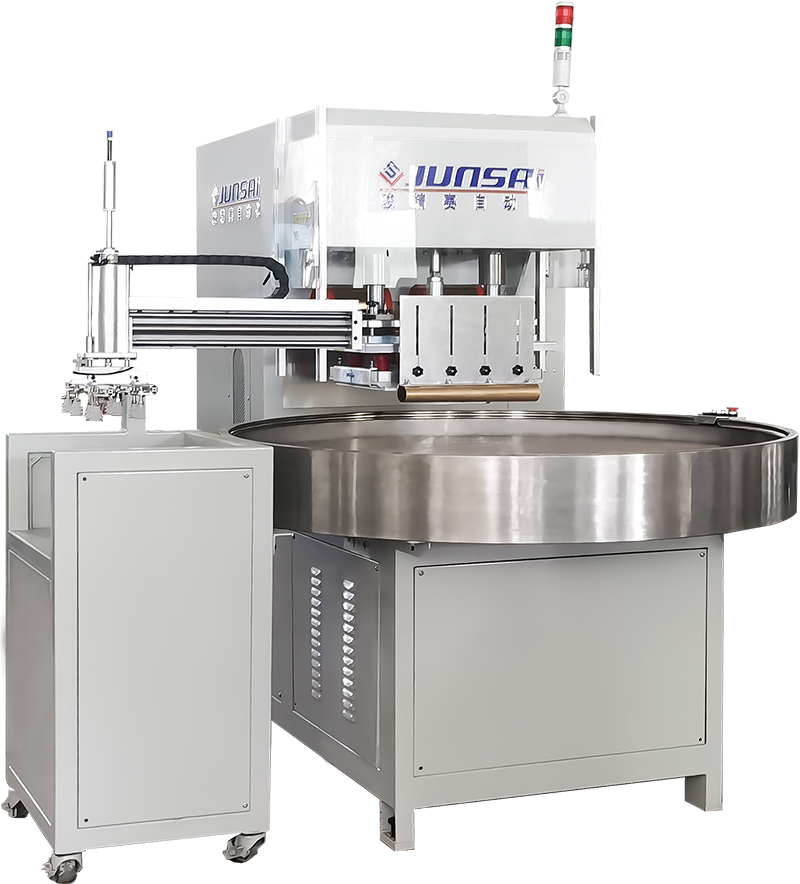
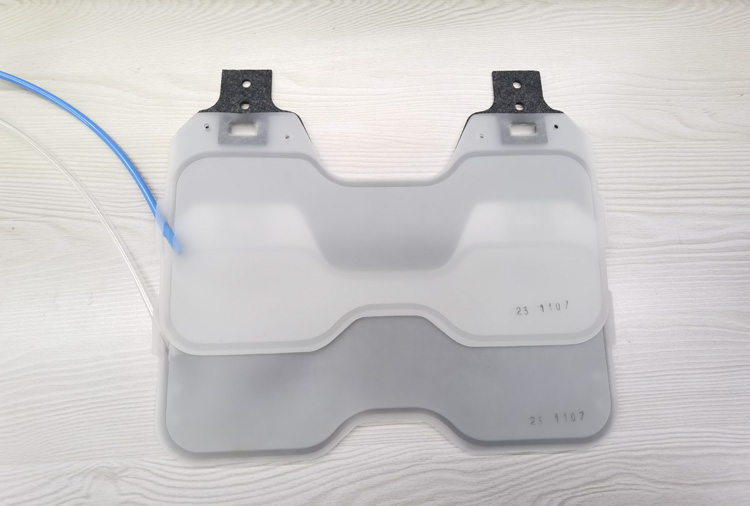
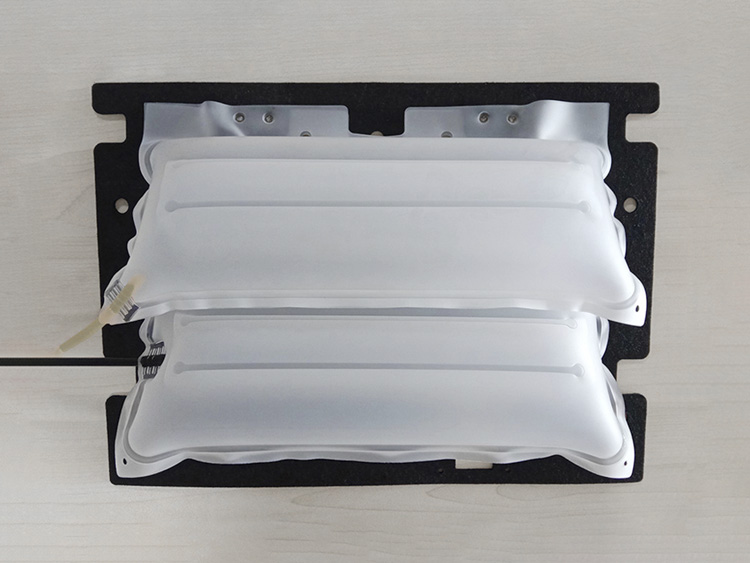
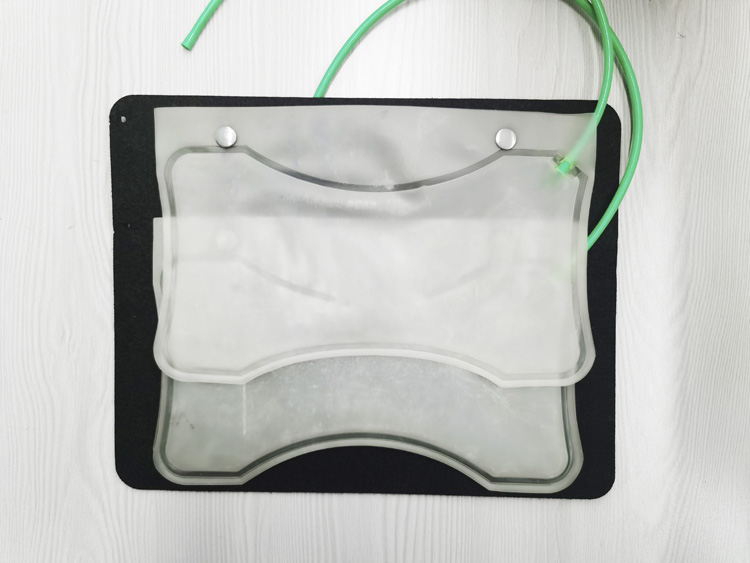
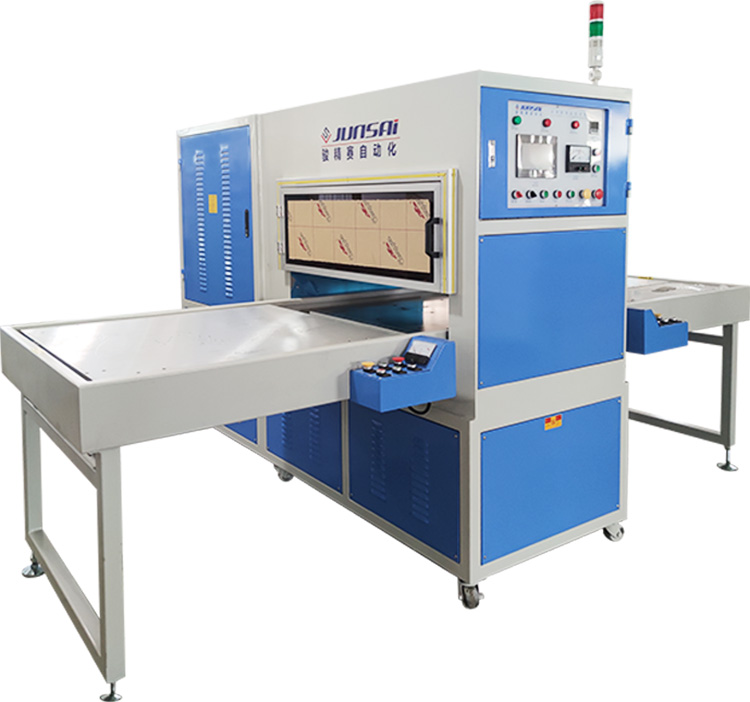
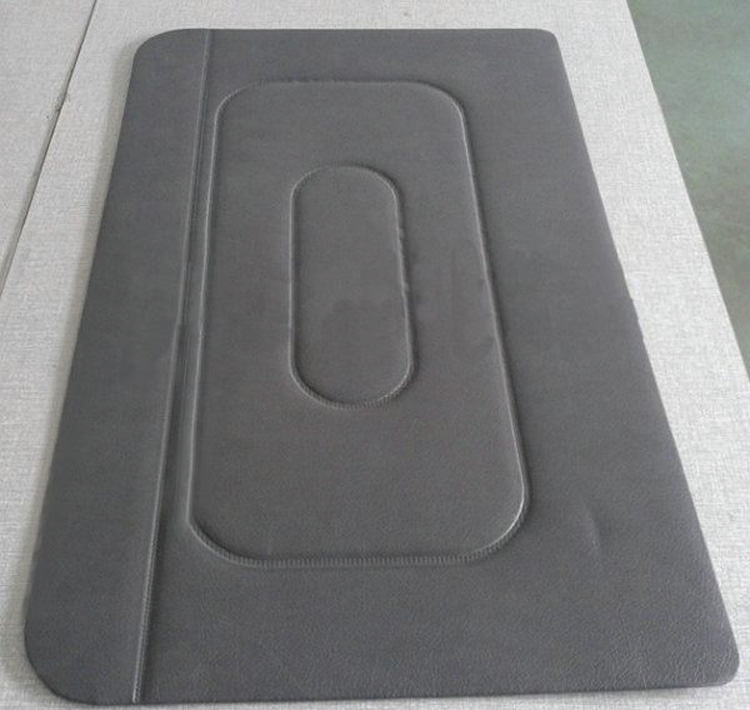
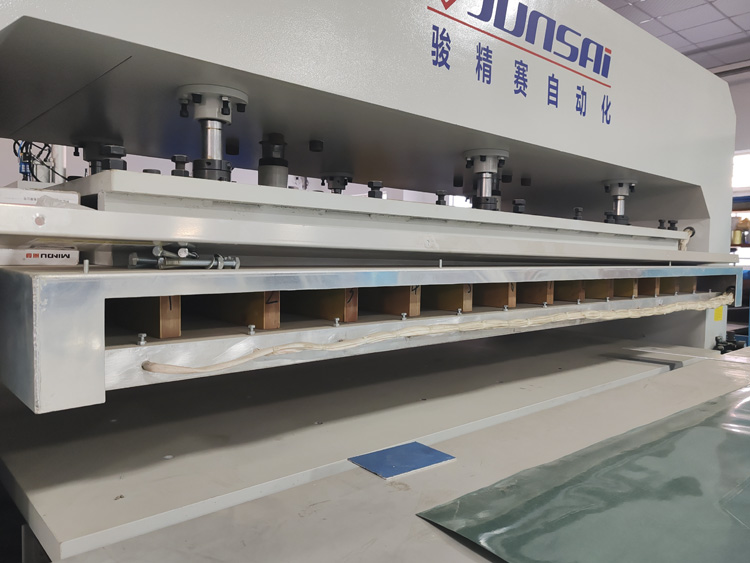
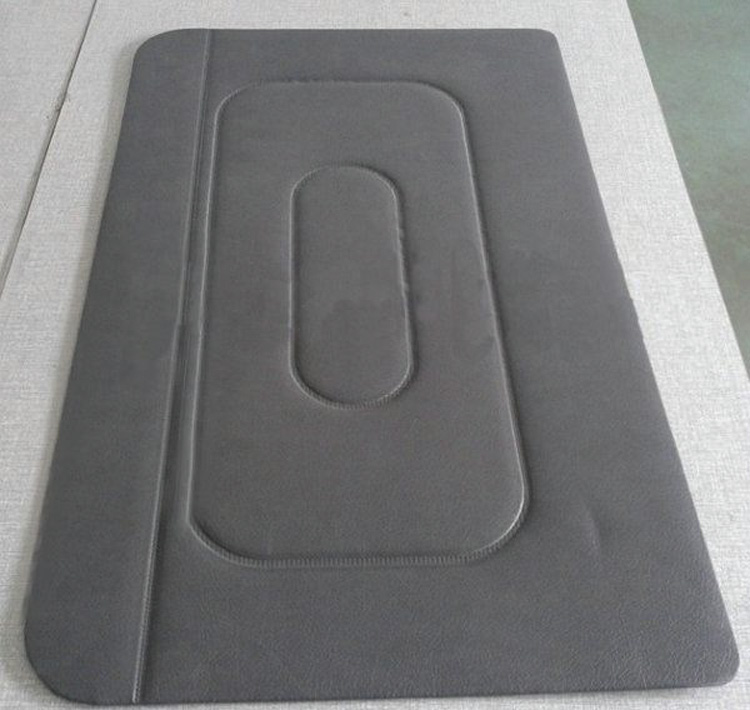
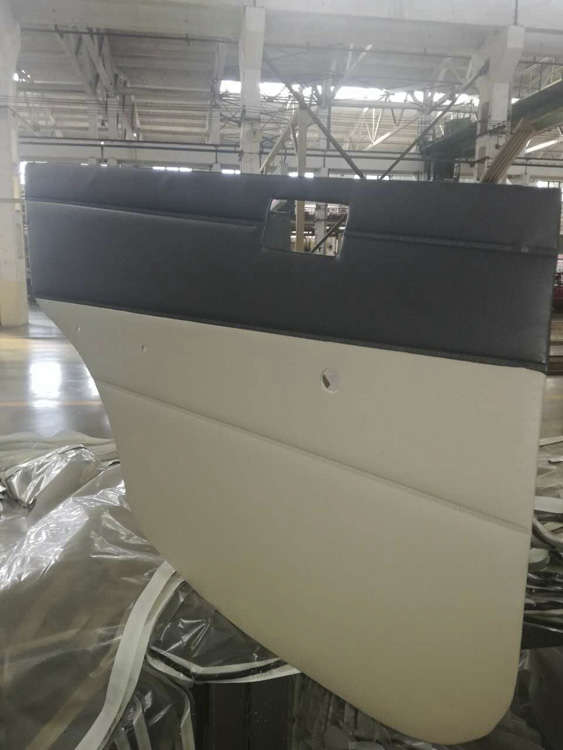
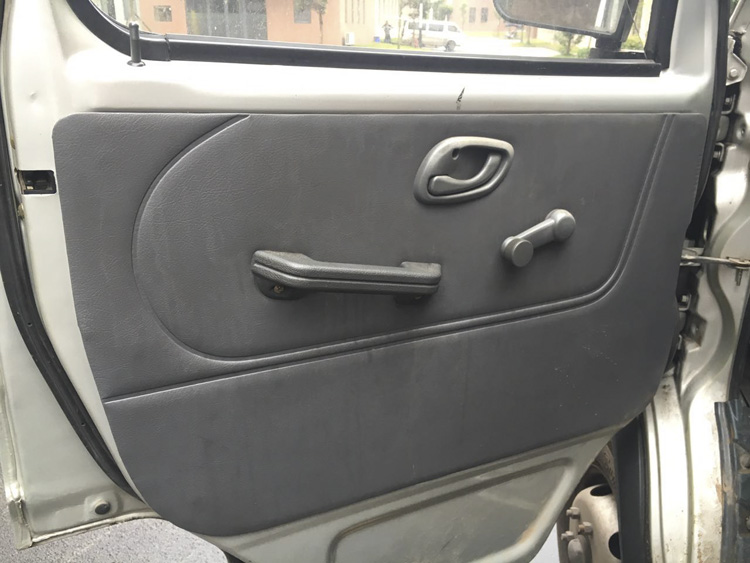
Shanghai Junjingsai manufactures industrial 25KW automotive door panel high frequency welding machines engineered for precision heat sealing and structural bonding of door panels and interior trim components with custom tooling.
Home > RF WELDING MACHINE > Automotive > 25KW Automotive Door Panel High Frequency Welding Machine
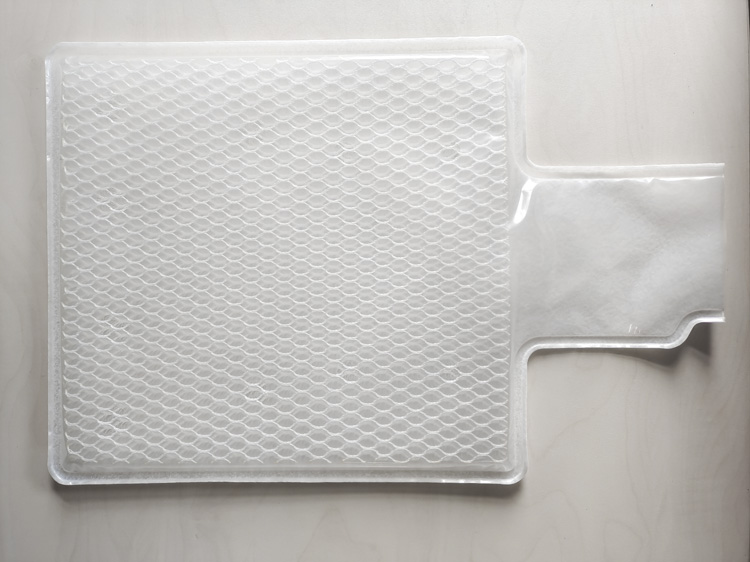
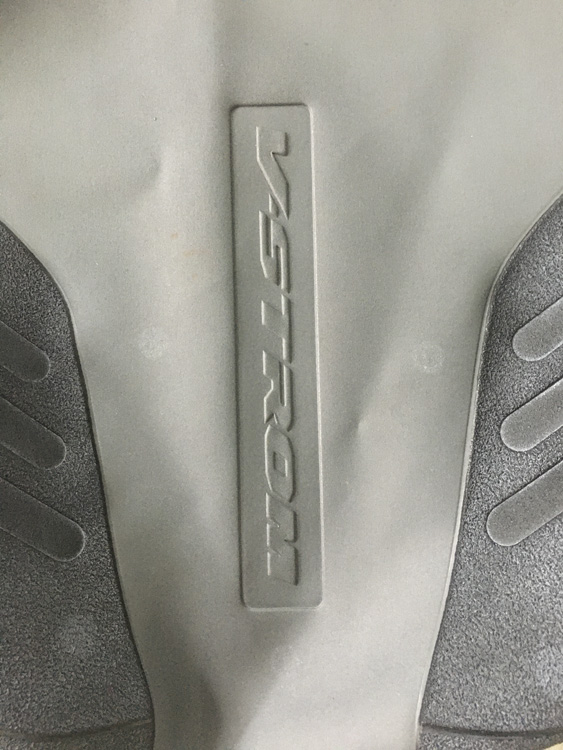
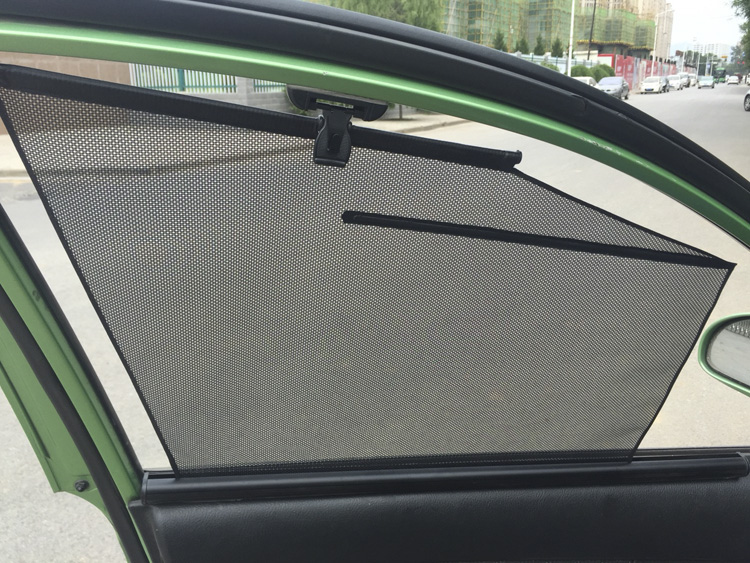
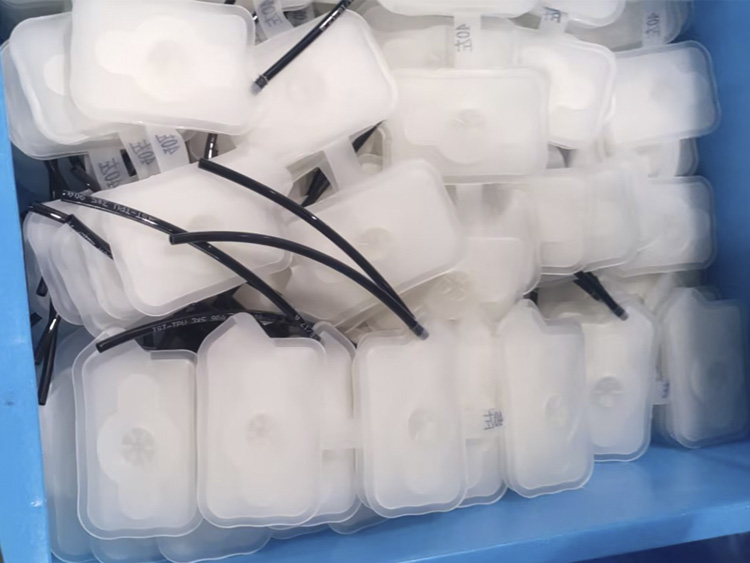
Applied Range
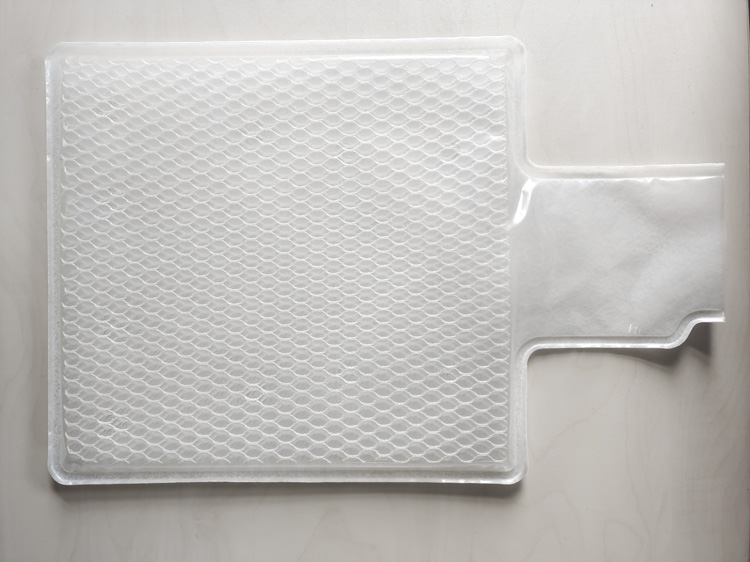
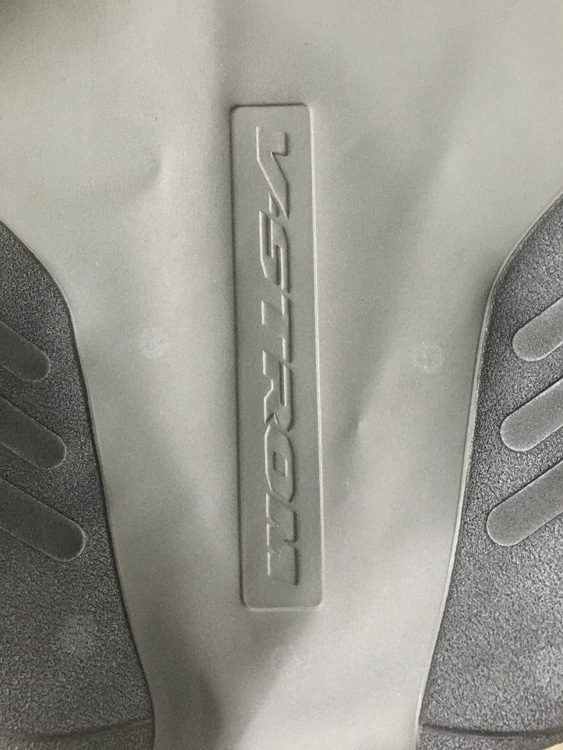
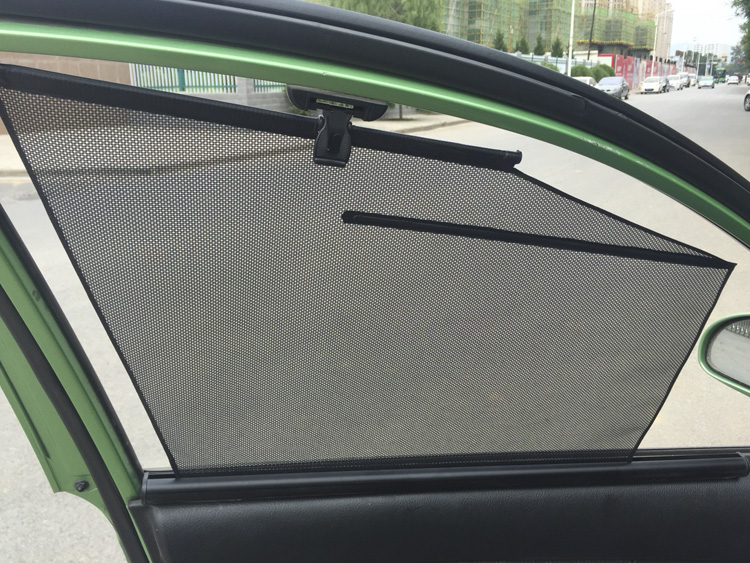
| Air PressureCategory | Specification |
| High Frequency Power | 25kw |
| Upper Pressure PlateSize | 800*1000mm |
| Dimension Of Sliding Tabler | 1000*1200mm |
| Temperature | 0-200 Adjustable |
| Operating Mode | Automatic Control |
| Drive Mode | Air Pressure |
| Boundary Dimension | 3500*3600*1900mm |
| Pressure | 15T |
| Weight | 2200kg |
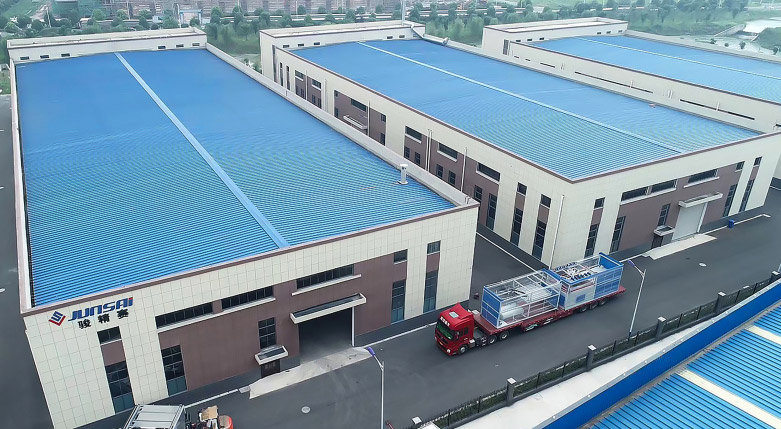
Was established in 2006, originally known as Shanghai Junsai Packaging Equipment Co., Ltd. The company is headquartered in Shanghai, with production bases in Jiangsu, Chongqing, and Guangdong. Currently, there are over 150 employees, including 30 senior technical staff, covering a total area of more than 20,000 square meters.
Explore more